
Free Credit Cards Germany

View Details Hide Details
View Details Hide Details
View Details Hide Details
View Details Hide Details
View Details Hide Details
View Details Hide Details
View Details Hide Details
View Details Hide Details
View Details Hide Details

View Details Hide Details
View Details Hide Details
View Details Hide Details
View Details Hide Details
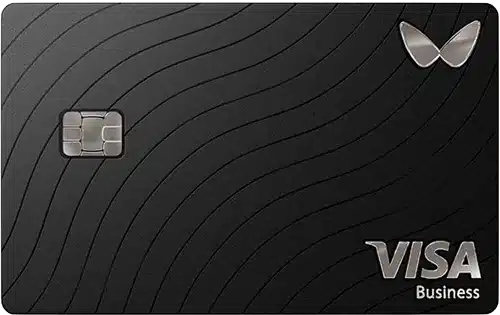
View Details Hide Details
Looking for a free credit card in Germany? With many banks charging annual fees, foreign transaction costs and additional service charges, finding a genuinely low-cost option can feel difficult — but it is possible. Several providers offer €0 annual-fee cards with Visa or Mastercard payment functionality. Some also include benefits such as cashback, mobile wallet support or travel-related features. The key is knowing where to look — and what “free” really means.
What Is a Free Credit Card?
A free credit card in Germany is generally a card that comes with no annual fee — either permanently or under certain conditions. It lets you pay online, in stores or abroad without paying a fixed yearly fee simply to hold the card. However, a €0 annual fee does not automatically mean every transaction and service is free.
There are three common types of free credit cards:
- Completely free – No annual fee and few additional charges under normal use. These offers are relatively uncommon.
- Conditionally free – Free only if you meet criteria such as minimum monthly spending, regular card use or maintaining a linked account.
- Free with basic use – No fixed annual fee, but costs may apply for cash withdrawals, foreign-currency payments, replacement cards or paper statements.
Free cards are commonly offered by online banks, fintechs and established card issuers. Some work as standalone cards, while others are included with a Girokonto, the German term for a current account used for salary payments, transfers and direct debits. The underlying product may be a traditional credit card, a charge card, a debit card or a prepaid card.
Credit, Charge, Debit or Prepaid: What Type of Card Is It?
The term “credit card” is often used broadly in Germany, even when the card does not provide a revolving credit line. Identifying the card type is important because it determines how payments are funded and whether interest can apply.
- Credit card: Purchases use an approved credit line. The balance may be repaid in full or through instalments, depending on the issuer and repayment settings.
- Charge card: Purchases are collected and normally settled in full on a regular billing date, often through SEPA direct debit.
- Debit card: Payments are deducted directly or shortly afterwards from a linked current account. There is normally no separate revolving credit line.
- Prepaid card: You load money onto the card before spending. You generally cannot spend more than the available balance.
A debit or prepaid card may be easier to obtain when you do not need credit, but it may not be accepted in exactly the same way as a traditional credit card for hotel deposits, car rentals or other transactions that require a security hold. Acceptance depends on the merchant and card configuration.
How to Apply for a Free Credit Card in Germany
Applying for a free credit card in Germany is often faster and easier than applying through a traditional branch-based process, especially with an online or mobile-first provider. The required checks depend on whether the card includes a credit line, is connected to a current account or works as a debit or prepaid product.
Step-by-step: How to apply for a free credit card
- Compare free card providers
- Check eligibility, including SCHUFA, income and age requirements
- Choose the card and repayment model that fit your profile
- Apply online or through the provider’s app
- Verify your identity
- Wait for the issuer’s decision and card delivery
- Activate the card and review its repayment settings
1. Compare free card providers
Start by reviewing €0 annual-fee cards from established providers. If you are unsure which to choose, use the card comparison at the top of this page and read our guide to applying for a credit card in Germany. Compare the full cost structure rather than focusing only on the annual fee — from foreign-currency charges to cards with cashback or travel-related features.
2. Check eligibility
Depending on the provider and card type, requirements may include:
- A minimum age of 18
- A registered residential address in Germany
- A supported German or European IBAN
- Identity documents accepted by the provider
- For cards with credit: often a SCHUFA assessment, proof of income or other creditworthiness checks
SCHUFA is Germany’s main private credit information agency. Card issuers may use SCHUFA data together with income, employment and existing financial commitments when assessing an application. A positive result does not guarantee approval, as each issuer applies its own criteria.
You may also be asked for an Anmeldung or Meldebescheinigung. Anmeldung is the process of registering your German address, while the Meldebescheinigung is the registration certificate that can be used as proof of residence.
Cards without a credit facility, such as debit or prepaid cards, may have different credit-check requirements. However, providers must still complete identity and regulatory checks before opening an account or issuing a card.
3. Choose the right card
Pick a card that matches your expected use:
- Need to travel? Look for low or no foreign-currency fees and suitable cash withdrawal terms.
- Want cashback? Prioritise reward cards, but check spending caps and excluded transactions.
- Prefer digital use? Consider a provider offering virtual cards in Germany and support for your preferred mobile wallet.
- Need a genuine credit line? Confirm that the product is a credit or charge card rather than a debit or prepaid card.
- Want to avoid interest? Choose full monthly repayment and verify that this setting is active.
4. Apply online or in the app
Complete the application with your name, address, contact details, employment information and bank details. The amount of information requested varies by provider and product. Applications are commonly digital, but completing a form does not mean that the card has been approved.
5. Verify your identity
You will normally need to verify your identity using a method supported by the provider. Common options include VideoIdent, an online video identification process, and PostIdent, which is completed through Deutsche Post. Some providers use electronic identity functions or other approved procedures.
6. Wait for approval and card delivery
The decision may be issued quickly or may take several business days if additional checks are required. Physical delivery times vary. Some providers make a virtual card available before the physical card arrives, but this is not offered with every product.
7. Activate and review the card settings
Once received, activate your card in the app or online portal. Set or retrieve your PIN, enable contactless payments and optionally link it to Apple Pay or Google Pay when supported. Before spending, confirm the repayment method, billing date, direct debit account and any withdrawal or foreign-currency limits.
How Repayment Works on a Free Credit Card
A card can have no annual fee and still become expensive if the outstanding balance is not repaid correctly. German card agreements commonly distinguish between Vollzahlung and Teilzahlung.
Vollzahlung: full monthly repayment
Vollzahlung means the full statement balance is paid on the due date. Payment is often collected through a SEPA direct debit, which authorises the issuer to withdraw the amount from your nominated bank account. When the full balance is paid within the applicable interest-free period, purchase interest is generally avoided.
Teilzahlung: partial repayment
Teilzahlung means only part of the outstanding balance is repaid each month. The remaining amount is carried forward and may accrue interest. Some cards activate partial repayment by default or set a low minimum monthly payment, so the balance can remain outstanding for a long time.
If direct debit is not available, you may need to transfer the statement amount manually. Missing the due date can lead to interest, reminder charges or restrictions on the card. The exact repayment rules and interest terms should be checked in the issuer’s current price list and card agreement.
Free vs Paid Credit Cards in Germany – What’s the Difference?
At first glance, choosing a free credit card over a paid one seems obvious. But paid cards may include benefits that justify the fee if you use them. The right choice depends on how you spend, whether you travel and what features you value most.
Comparison Table: Free vs Paid Credit Cards
| Feature | Free Credit Card | Paid Credit Card |
|---|---|---|
| Annual Fee | Normally €0, sometimes subject to conditions | Varies by card and benefit package |
| Credit Line | Available only if the product is a credit or charge card | Available only if the product is a credit or charge card |
| Foreign-Currency Fees | May be free or charged separately | May be included, reduced or charged separately |
| Cashback / Rewards | Often limited, conditional or unavailable | May include enhanced rewards or loyalty benefits |
| Travel Insurance | Uncommon and often limited | More commonly included, subject to conditions and exclusions |
| Lounge Access / Extras | Usually not included | May be included with premium products |
| Application Process | Often digital | Often digital, with eligibility checks based on the product |
| Best For | Basic spending and avoiding fixed card fees | Users who obtain enough value from the included benefits |
Which option fits your needs?
- Choose a free credit card if you want to avoid fixed card costs and mainly use the card for everyday purchases, online payments or occasional travel.
- Consider a paid credit card if you travel frequently or will actively use benefits such as insurance, rewards or airport services. Compare the value of those benefits with the annual fee and the policy conditions.
Pros and Cons of Free Credit Cards in Germany
Pros
- No annual fee – Hold and use the card without a fixed yearly card charge
- Suitable for occasional use – Useful when you need a card for online purchases, travel bookings or backup payments
- Ideal for cost-conscious users – Fixed costs remain low when additional services are avoided
- Available from digital providers – Applications, card controls and transaction notifications may be managed through an app
- Some offer extra features – Depending on the provider, these may include cashback, virtual cards or reduced foreign-currency fees
- Flexible product types – No-fee options may be available as credit, charge, debit or prepaid cards
Cons
- Fewer premium benefits – Comprehensive travel insurance, lounge access and premium services are less common
- Foreign-currency fees may apply – A card can have no annual fee while still charging for payments outside the euro
- Cash withdrawal charges – The issuer, ATM operator or both may charge a fee
- Credit limits vary – Limits depend on the card type, issuer and individual credit assessment
- Limited rewards – Cashback, bonuses and loyalty rewards may be capped or tied to specific merchants
- Some are only conditionally free – Minimum spending, account activity or other conditions may apply
- Support may be primarily digital – Some providers offer limited telephone or branch support

What to Look for in a Free Credit Card in Germany
Not all free credit cards are free in every situation, and some come with important trade-offs. To avoid unexpected costs and find a card that fits your needs, review these features before applying.
Real €0 annual fee
Check that the card is permanently free rather than free only for the first year. Also check whether the €0 fee depends on minimum monthly spending, regular use, a linked current account or another condition.
Foreign-currency fees
If you shop online in non-euro currencies or travel outside the eurozone, review the fee for foreign-currency transactions. A no-fee card may still add a percentage charge or exchange-rate markup when the transaction is processed in another currency.
When a terminal or ATM offers to convert the transaction into euros, check the rate carefully. This service is known as dynamic currency conversion and may be more expensive than allowing the card network and issuer to process the payment in the local currency.
Cash withdrawal terms
Some free cards charge for ATM withdrawals, including withdrawals in Germany. Check the issuer’s fee, minimum withdrawal amount, monthly allowance and any limits on the number of free withdrawals. An ATM operator may also impose its own charge.
Credit line vs. prepaid or debit
Free cards may be traditional credit cards, charge cards, debit cards or prepaid cards. Choose based on whether you need a credit facility, monthly billing or direct control over the available balance.
Repayment method and interest
For a card with a credit line, check whether the default setting is full repayment or partial repayment. Review the effective annual interest rate, minimum monthly payment, statement date and due date. A high interest cost can matter far more than the annual fee.
Mobile wallet compatibility
Check whether the card supports Apple Pay, Google Pay or another wallet you use. Also confirm whether a digital card is available before the physical card arrives.
Card network and acceptance
Visa and Mastercard are both widely accepted in Germany and abroad, but card acceptance still varies by merchant. Some German shops and service providers prefer the domestic Girocard system or cash. The card network alone does not determine whether a specific transaction will be accepted.
SCHUFA and income requirements
Cards with a credit line commonly require a creditworthiness assessment, which may include SCHUFA data and proof of income. If you are a student, freelancer or new to Germany, compare debit and prepaid alternatives as well as credit cards. Products without a credit facility may use different eligibility criteria, but identity checks still apply.
Linked account requirements
Some cards are available without changing your main bank account. Others require you to open or actively use a linked Girokonto. Check whether the account itself has a monthly fee, minimum incoming-payment requirement or other conditions, as these costs affect whether the overall package is genuinely free.
Bonuses and perks
Some no-fee cards offer cashback, welcome promotions, insurance or partner discounts. Check the eligibility period, spending threshold, exclusions, reward cap and whether the benefit continues after an introductory period.
Free card checklist
- The annual fee is permanently €0 or the conditions are realistic for you.
- You know whether the product is a credit, charge, debit or prepaid card.
- The repayment setting and interest rate are clear.
- Foreign-currency and ATM charges fit your expected use.
- Any linked current account does not introduce avoidable costs.
- The card supports the payment methods and mobile wallet you use.
- You have checked the current price and service list before applying.
Tips for Using a Free Credit Card Responsibly
- Pay the full balance monthly
Where possible, use Vollzahlung and settle the entire statement balance by the due date to avoid revolving interest. - Check the direct debit account
Keep enough money in the linked account before the collection date to avoid a rejected payment or reminder charge. - Track fees for extras
Watch for charges on ATM withdrawals, foreign-currency transactions, replacement cards, paper statements and optional services. - Meet any fee-waiver conditions
If the card requires regular use or a minimum spend to remain free, monitor the condition rather than assuming it has been met. - Use mobile wallets carefully
Apple Pay and Google Pay can make payments easier, but wallet use does not change the card’s underlying fees or repayment terms. - Monitor spending in real time
Enable app notifications to detect unfamiliar transactions and keep track of the outstanding balance. - Review statements regularly
Check the amount due, repayment percentage, interest charges and direct debit date on each statement.
FAQ
Can I get a free credit card without a SCHUFA check?
Possibly, but products without a SCHUFA check are commonly debit or prepaid cards rather than credit cards with a revolving credit line. An issuer providing credit will generally assess creditworthiness. Identity and regulatory checks still apply even when SCHUFA is not used.
Are free credit cards really 100% free?
Not necessarily. “Free” usually means that the annual card fee is €0. Charges may still apply for interest, ATM withdrawals, foreign-currency payments, replacement cards, paper statements or other services. Check the provider’s current Preis- und Leistungsverzeichnis, meaning its price and service list.
Do free credit cards offer cashback or bonuses?
Some do, but the rewards may be limited, capped or restricted to selected merchants. Welcome promotions can also expire after an introductory period. Compare the ongoing value of the rewards and check whether a paid account plan is required.
Can I use a free card abroad?
Yes, where Visa or Mastercard is accepted. Before travelling, check foreign-currency fees, ATM charges, withdrawal limits and whether the card is suitable for deposits at hotels or car rental companies. Pay in the local currency when an ATM or terminal offers an unfavourable euro conversion.