

Student Credit Cards Germany

View Details Hide Details
View Details Hide Details
View Details Hide Details
View Details Hide Details
View Details Hide Details
View Details Hide Details
View Details Hide Details
View Details Hide Details

View Details Hide Details

View Details Hide Details
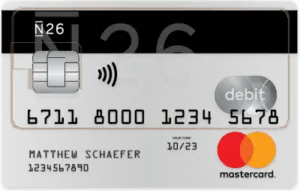
View Details Hide Details
View Details Hide Details
View Details Hide Details
View Details Hide Details
View Details Hide Details
Looking for a student credit card in Germany? Whether you’re new to the country or starting university life, getting a credit card as a student can be tricky — but not impossible. Some banks offer student-friendly options with no annual fees, no SCHUFA check, and built-in spending controls. However, “no SCHUFA” usually describes a prepaid or debit card rather than a traditional credit card, and conditions vary by provider.
The right card can help you shop online, book travels, and build financial habits — all without going into debt. Here’s what you need to know.
For most students, the important choice is not a special “student credit card” but the way the card is funded: prepaid, debit, charge or revolving credit. Check repayment, foreign-use and ATM fees before applying, especially if you are an international student.
What Is a Student Credit Card?
A student credit card is a simplified payment card designed for university students who may not yet have a stable income or credit history. These cards offer the flexibility of paying online, booking travel, or covering monthly expenses — but often with lower limits, fewer fees, and no interest-bearing credit line.
In Germany, student credit cards are typically one of the following:
- Prepaid cards: You load funds in advance and can only spend what’s available. You can read more about Prepaid cards here.
- Debit cards with credit card branding: Issued with student accounts, they work like credit cards online but pull money directly from your bank balance.
- Low-limit charge cards: Some banks offer actual credit cards with capped monthly spending and no interest if repaid in full.
These cards help students build financial discipline, get used to digital payments, and gain access to global services — all with minimal risk.
Which type suits a student?
The card type determines whether you borrow money, how payments are collected and whether the provider normally performs a credit assessment.
Prepaid
Spend only money loaded onto the card. Useful for strict budgeting, but top-ups and deposits may not be accepted everywhere.
Debit
Payments come from a Girokonto (German current account) or another linked balance. It is not a borrowing facility.
Charge
The provider pays first and collects the full statement amount later. Check the due date and available limit carefully.
Revolving credit
You may repay in instalments, known in Germany as Teilzahlung. Interest can make this considerably more expensive than Vollzahlung, meaning full repayment.

Can Students Get a Credit Card in Germany?
Yes, students can get a credit card in Germany, but the options are limited compared to full-time employees. Traditional credit cards with flexible repayment and high limits are rarely issued to students unless they have a steady income and a good SCHUFA score. However, there are student-friendly alternatives available from both banks and fintechs.
To qualify for even a basic student credit card, you’ll typically need:
- Proof of university enrollment
- A German bank account (IBAN)
- A registered German address (Anmeldung)
- Minimum age of 18
Some providers also require proof of income (e.g. part-time job or stipend) or check your SCHUFA score, though this depends on the card type. SCHUFA is Germany’s main private credit-reporting agency; a provider’s application check may be recorded differently from a request for your own report. Always check the provider’s eligibility wording before submitting several applications.
Credit Cards for International Students in Germany
International students face additional steps when applying for a credit card in Germany. Since most arrive without a SCHUFA history or local income, traditional credit cards are rarely an option. But many fintech banks and neobanks offer prepaid or debit-based cards that are ideal for international use.
To apply as a foreign student, you’ll usually need:
- A valid residence permit (Aufenthaltstitel)
- A registered address in Germany (Anmeldung)
- A student visa or university acceptance letter
- A German or EU bank account for card linkage
- A passport for identity verification via VideoIdent or PostIdent
Cards from banks like N26, bunq, or Wise are popular among internationals because they:
- May be available without an established SCHUFA history, depending on the product and checks
- Offer English-language interfaces
- Work globally, subject to the provider’s exchange-rate and withdrawal conditions
- May provide virtual cards for online use
These cards help international students manage money safely, make online purchases, and access services that require a Visa or Mastercard — without needing traditional credit approval. A residence permit, German address or supported identity document may still be required, and acceptance criteria differ between providers.

How to Apply for a Credit Card as a Student in Germany
Applying for a credit card as a student in Germany is straightforward if you choose the right card type and have the basic documents ready. Most students apply for prepaid cards, student debit cards, or low-limit charge cards, which have fewer entry requirements than traditional credit cards.
Step-by-step process for student card application
- Choose the right card type
- Select a student-friendly provider
- Prepare required documents
- Apply online or via app
- Verify your identity
- Wait for approval and card delivery
- Activate and start using your card
1. Choose the right card type
Decide between prepaid, debit-based, or low-limit charge cards. If you have no income or SCHUFA history, prepaid cards are often the safest and easiest to obtain, but no provider can guarantee acceptance.
If you receive a stipend or work part-time, you may qualify for a charge card with a small credit limit.
2. Select a student-friendly provider
Look for banks or fintechs that explicitly offer cards to students. Popular choices include N26, bunq, Revolut, VIABUY, and sometimes large banks like DKB or Commerzbank with student accounts. Product availability, fees and eligibility can change, so check the current provider terms before applying.
3. Prepare required documents
Typical documentation includes:
- Valid passport or national ID
- Proof of enrollment (Immatrikulationsbescheinigung)
- Anmeldung (registered address confirmation)
- For international students: residence permit
- Optionally: proof of income (e.g. payslip, stipend)
Application checklist
- Confirm whether the card is prepaid, debit, charge or revolving.
- Check whether a German address and Girokonto are required.
- Have your passport or ID and proof of enrollment ready.
- For credit products, read the SCHUFA and affordability-check wording.
- Read the fee schedule, repayment date and foreign-use conditions.
4. Apply online or via app
Most providers allow 100% digital applications. Fill in your personal details, upload documents, and confirm your German address. The application form may be quick to complete, but verification and any credit assessment can take longer.
5. Verify your identity
Use VideoIdent (live video call with passport) or PostIdent (visit Deutsche Post with ID). This step is mandatory under German banking regulations (KYC – Know Your Customer).
6. Wait for approval and card delivery
Digital-only cards may be ready quickly after successful verification. Physical card delivery times vary by provider, country and postal service; check the issuer’s current estimate rather than relying on a fixed timeframe. Some banks may contact you if documents are unclear or incomplete.
7. Activate and start using your card
Follow the instructions provided by your bank or app to activate the card. For prepaid cards, load funds first via SEPA or another accepted method before use. SEPA is the euro payment network used for transfers and direct debits in Germany and other participating countries.

Understanding Costs and Interest for Student Credit Cards
Student credit cards are designed to be affordable — but that doesn’t mean they’re free of fees. Depending on the card type and provider, you may encounter charges for usage, withdrawals, or late payments. Understanding these costs in advance helps you avoid surprises and pick the most budget-friendly option.
Common costs to expect:
- Annual or monthly fees – Many student cards are free, but some charge a recurring fee or a fee for issuing a physical card.
- Top-up fees – Prepaid cards may charge fees when loading money via credit card or certain payment methods.
- ATM withdrawal fees – Cards often include free domestic withdrawals, but charges may apply after a free allowance or at foreign ATMs.
- Foreign transaction fees – Payments outside the eurozone may involve an exchange-rate markup or foreign-use fee unless the card includes suitable travel terms.
- Inactivity fees – Some prepaid products may charge a fee after a period of inactivity. Check whether this applies before signing up.
- Card replacement – Lost or stolen cards may incur a replacement fee. Emergency replacement abroad can have separate charges.
What about interest?
Most student credit cards in Germany don’t offer revolving credit, so interest typically doesn’t apply. Here’s how it breaks down:
- Prepaid cards – No credit, no interest. You can only spend what you load.
- Debit-based cards – Funds are pulled directly from your bank account, so no card interest is charged.
- Charge cards – These are repaid in full every month. If you miss the due date, fees and, depending on the agreement, interest may apply.
Students who qualify for a true credit card may face the provider’s standard interest rate if they choose to pay in instalments. The exact annual percentage rate, repayment method and minimum payment vary by issuer and must be checked in the pre-contract information.
Example: Interest on Student Credit Card (Charge Card with Missed Payment)
| Balance Owed | Interest Rate (APR) | Repayment Delay | Interest Charged | Total Repayment |
|---|---|---|---|---|
| €500 | 15% | 30 days | ~€6.16 | €506.16 |
| €500 | 15% | 60 days | ~€12.33 | €512.33 |
| €500 | 18% | 60 days | ~€14.79 | €514.79 |
Tip: Always check the provider’s Preisverzeichnis (fee schedule) before applying. Many student cards appear free upfront but include charges for specific services.
Pros and Cons of Student Credit Cards in Germany
Pros
- Easy to get – especially prepaid and debit-based cards
- No SCHUFA or income required for some basic cards
- Useful for online shopping, travel, and subscriptions
- Helps build financial habits and independence
- Some cards have low or no recurring fees
- Some include virtual cards for quick online use
- Available from digital banks with English-language support
Cons
- No real credit line with most student cards
- Limited rewards or cashback compared to full credit cards
- Some cards have top-up fees or inactivity charges
- ATM and foreign transaction fees may apply
- Requires ID verification and, for many providers, a registration address (Anmeldung)
- Physical card delivery can take several days
- Not accepted for car rentals or hotel deposits in many cases
Tips for Using a Student Credit Card Responsibly
A student credit card is a great tool — but only if used with care. Misusing it can lead to fees, declined payments, or even future credit problems. Here are simple tips to stay in control, avoid debt, and build good financial habits while studying in Germany.
Stick to a monthly budget
Only spend what you can afford to repay. Treat prepaid or charge cards like cash — not credit — to avoid the temptation to overspend.
Always pay on time
If your card has a repayment schedule (e.g. charge card), set reminders or activate auto-payment to avoid late fees or negative entries on your SCHUFA. A debit or prepaid card has no credit repayment date, but you still need enough available funds for scheduled payments.
Avoid unnecessary cash withdrawals
Withdrawing cash from credit cards often comes with high fees. Use a regular debit card for ATM access unless your student card offers free withdrawals.
Use it for regular, small purchases
Pay for subscriptions, transport tickets, or groceries to stay active without overloading your budget. This does not guarantee a higher credit score or limit; reporting practices depend on the provider.
Monitor spending via the app
Most providers offer real-time tracking, balance checks, and instant notifications. Use them to detect unusual activity and keep your finances in check.
Don’t apply for too many cards
Credit applications can involve a credit check and may affect how lenders assess further applications. One suitable student card is usually enough — don’t chase unnecessary upgrades or offers.
FAQ
Can I get a student credit card without a SCHUFA score?
Some prepaid and debit-based cards may be available without an established SCHUFA history, but this depends on the provider and product. A traditional credit card may still involve an affordability or credit check.
Can international students apply?
Yes, some providers accept international students. You’ll typically need a residence permit or accepted visa, an Anmeldung, a passport and, in some cases, a German or EU bank account. Requirements differ between providers.
Will a student credit card help build my credit score?
Only if it’s a charge or revolving card that reports relevant account information to SCHUFA; reporting practices vary. Prepaid cards usually don’t affect your credit history. Paying on time also does not guarantee a particular score or future approval.
Can I use a student credit card abroad?
Yes, but check for foreign transaction fees, exchange rates, ATM charges and merchant acceptance before travelling. A card that is free in Germany may have different conditions outside the eurozone. Keep a second payment method for emergencies.