
Prepaid Credit Cards Germany

View Details Hide Details
View Details Hide Details
View Details Hide Details
View Details Hide Details

View Details Hide Details
View Details Hide Details
View Details Hide Details
View Details Hide Details
View Details Hide Details
View Details Hide Details
A prepaid credit card in Germany is the ideal solution if you want the benefits of a card without the risks of debt or the hassle of a credit check. These cards work just like Visa or Mastercard for payments – but you load them with funds in advance, making them a smart choice for students, expats, and anyone without a SCHUFA history.
Fast to get, easy to use, and widely accepted, prepaid cards are gaining serious traction in Germany. Here’s what you need to know before getting one.
What Is a Prepaid Credit Card?
A prepaid credit card looks and functions like a regular credit card, but with one key difference: instead of borrowing money, you preload the card with your own funds. You can only spend what you’ve deposited, which eliminates the risk of going into debt or paying interest.
These cards do not involve a credit line or monthly repayment. Many prepaid products do not require a SCHUFA credit check, although the issuer may still carry out identity, anti-money-laundering or regulatory checks. Some providers may also ask for a German address, a Meldebescheinigung (certificate of registration) or other documents. That’s why prepaid cards are especially popular among new arrivals in Germany, young adults, and people rebuilding their credit.
You can use a prepaid card for online shopping, in-store payments, travel bookings, and even link it to Apple Pay or Google Pay, where the provider supports mobile wallets. Some are physical cards, while others are virtual-only. Because the balance is limited to what you’ve loaded, they also offer an extra layer of security if lost or stolen. This does not remove the need to freeze the card quickly and report unauthorised transactions.
Prepaid Card, Debit Card or Credit Card?
The word “credit card” is often used loosely for any card with a Visa or Mastercard logo. The payment network does not determine whether the card provides credit. A prepaid card must be funded in advance, a debit card normally takes money from a linked current account, and a traditional credit card provides a credit line that you repay later. Charge cards also provide short-term credit but usually require the full balance to be paid at the end of the billing period.
This distinction matters for deposits, subscriptions, cash withdrawals and credit-building. A prepaid card may be declined by a hotel or car-rental company that requires a pre-authorisation against an available credit line. A debit or credit card may be more suitable for those situations, subject to the issuer’s terms.
How to Apply for a Prepaid Credit Card
Getting a prepaid credit card in Germany is much easier than applying for a traditional credit card. Many providers don’t require a SCHUFA check or income verification, but this is not universal and does not mean that every application is accepted. You may still need to provide a valid ID, address details and, depending on the product, a German bank account. The process is fast, fully digital in many cases, and often completed within minutes, although verification and card delivery times vary.
Step-by-step: How to apply for a prepaid credit card in Germany
- Compare card providers – Check fees, limits, top-up methods and supported payment networks (Visa/Mastercard).
- Choose your preferred card – Some offer virtual cards only, others include physical delivery.
- Fill out the online application – Provide basic personal details such as name, address, and ID.
- Verify your identity – Usually via video identification, electronic identification or photo ID upload, depending on the issuer.
- Top up your card – Transfer funds via SEPA, credit card, debit card or bank transfer, depending on the provider.
- Start using the card – Once loaded, you can use it for purchases immediately where the card and merchant are supported.
Many prepaid card providers are fintech companies, meaning the entire process is handled through an app or website – no need to visit a bank branch. Before applying, check whether the provider requires a German address, a Meldebescheinigung, a Girokonto or a minimum age. These requirements vary by issuer.
Prepaid card checklist
- Confirm whether the card is genuinely prepaid or is a debit card linked to an account.
- Check the total cost of issuing, loading, spending, withdrawing cash and replacing the card.
- Check maximum balance, daily spending limits and ATM limits.
- Confirm whether subscriptions, hotel deposits and car rentals are supported.
- Check how to withdraw or transfer any remaining balance before the card expires.
Prepaid Credit Card vs Debit Card – What Is the Difference?
Prepaid credit cards and debit cards may seem similar – both let you spend only the money you already have. But in Germany, they serve different purposes and are issued in different ways. Understanding the distinction helps you choose the right option based on your needs.
A debit card is linked directly to your Girokonto (current account). Every time you make a purchase, the amount is immediately withdrawn from your bank balance. It’s issued by your bank when you open an account and is commonly used for daily payments and ATM withdrawals.
A prepaid credit card, on the other hand, is a standalone card that you must load manually before use. It’s not tied to a bank account and doesn’t allow overdraft. It’s accepted wherever Visa or Mastercard is supported, including online stores, travel bookings, and subscriptions, although individual merchants can impose restrictions.
Comparison Table: Prepaid Credit Card vs Debit Card
| Feature | Prepaid Credit Card | Debit Card |
|---|---|---|
| Linked to bank account | Usually no | Yes (Girokonto) |
| Requires SCHUFA check | Often no credit check, but identity checks still apply | Usually no credit check, but needs a bank account |
| Overdraft possible | No | Sometimes, depending on bank and agreement |
| Spending limit | Based on preloaded funds and provider limits | Based on account balance and any agreed limits |
| Suitable for online use | Yes, subject to merchant restrictions | Yes, subject to issuer and merchant support |
| Physical or virtual | Both available | Physical and virtual options may be available |
| Ideal for | Expats, students, travellers and budgeting | Everyday local banking |
| Application process | Independent from banks in many cases | Issued by your bank or account provider |
Pros and Cons of Prepaid Credit Cards in Germany
Prepaid credit cards offer flexibility and accessibility, especially for people who can’t or don’t want to apply for traditional credit. But they’re not perfect. Here’s a breakdown of the main advantages and disadvantages you should know before choosing one.
Pros of Prepaid Credit Cards
- No SCHUFA credit enquiry in many cases: You may be able to apply without a German credit history, although the provider can still perform identity and compliance checks.
- No risk of debt from card spending: You can only spend what you’ve loaded, although fees or offline transactions can still create a small negative balance with some providers.
- Accepted worldwide: Works like Visa or Mastercard for payments, online and offline, wherever the network and the card type are accepted.
- Fast application: Some cards can be issued digitally through an app, subject to verification.
- Good for budgeting: Helps control spending and avoid overdrafts.
- Ideal for expats and students: Some products do not require income proof or a full bank account.
Cons of Prepaid Credit Cards
- No credit building: Prepaid spending normally is not reported to SCHUFA, so it generally won’t improve your credit score.
- Fees may apply: Some cards have setup fees, monthly fees, or reload charges.
- Limited features: No installment payments, overdraft, or credit perks like cashback unless the provider separately offers them.
- Not all cards are equal: Some prepaid cards don’t support recurring payments or car rentals.
- No direct SEPA access: Most standalone prepaid cards cannot receive salary or make regular bank transfers. Account-based products may provide an IBAN, but their terms should be checked separately.
Prepaid Credit Card Providers in Germany
Several fintech companies and online banks offer prepaid credit cards in Germany, each with different pricing models, features, and target groups. Below is a selection of providers that may be used in a prepaid-like way, although not all of them are technically prepaid cards. Product availability, fees and conditions can change, so check the provider’s current pricing and terms before applying.
Comparison of Top Prepaid Credit Card Providers
| Provider | Card Type | Monthly Fee | Initial Cost | Foreign Fees | Mobile App | Virtual Card |
|---|---|---|---|---|---|---|
| VIABUY | Mastercard prepaid | Check current pricing | Check current pricing | Check current pricing | Yes | Yes |
| bunq Travel Card | Product type and current pricing vary | Check current pricing | Check current pricing | Check current pricing | Yes | Yes |
| N26 Standard | Debit Mastercard | Check current pricing | Check current pricing | Check current pricing | Yes | Yes |
| Wise | Debit card linked to a multi-currency account | Check current pricing | Check current pricing | Varies by currency and transaction | Yes | Yes |
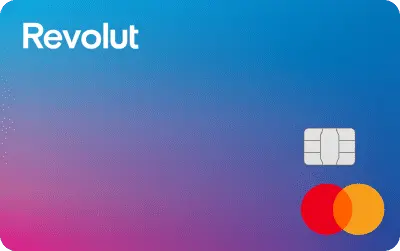
| Revolut Standard | Debit card linked to an account | Check current pricing | Check current pricing | Varies by plan, currency and transaction | Yes | Yes |
Notes on Providers
- VIABUY is a classic prepaid card with strong acceptance, but it may come with a relatively high setup cost. Check the current fee schedule and suitability for your intended use.
- bunq Travel Card may function like a payment card without a traditional credit line. Its current product structure, fees and eligibility should be checked before signing up.
- N26 Standard is technically a debit card, but works similarly for online and offline payments – and may be available without a monthly fee depending on the current plan.
- Wise offers international features, with conversion costs and account conditions that depend on the currencies and services used.
- Revolut is aimed at users who want an app-based account and payment card. Foreign-exchange, ATM and weekend conditions can depend on the plan and transaction.

Types of Prepaid Credit Cards in Germany
Not all prepaid credit cards are the same. Depending on how you plan to use the card — whether for travel, online shopping, or everyday spending — different types offer different features. Here’s a breakdown of the main categories of prepaid credit cards in Germany, so you can choose the right fit for your needs.
Physical Prepaid Credit Cards
These are traditional plastic cards you can use in shops, restaurants, ATMs, or while traveling. They’re widely accepted anywhere Visa or Mastercard is supported. Some providers also allow contactless payments and Apple Pay/Google Pay pairing with the physical card.
They are ideal if you want a reliable payment method for offline use or need a card for identification when booking hotels or car rentals. However, a physical prepaid card may still be rejected for a deposit if the merchant requires a conventional credit line.
Virtual Prepaid Credit Cards
Virtual prepaid cards exist only in digital form. You receive a card number, CVV, and expiration date, but no physical card is issued. These are perfect for online shopping, subscriptions, or for linking to a mobile wallet.
They’re often issued instantly after signup and are widely accepted online. Providers like Wise, Revolut, and bunq offer strong virtual card options, often with advanced features like disposable card numbers for extra security. These providers may technically issue debit cards linked to an account rather than prepaid cards, so check the product description carefully.
Reloadable vs Non-Reloadable Cards
- Reloadable prepaid cards allow you to top up funds multiple times. Most German prepaid providers fall into this category, supporting SEPA transfers or debit card reloads.
- Non-reloadable cards (rare in Germany) are single-use and typically used as gift cards or for limited promotions. Once the balance is used, the card is deactivated.
Prepaid Travel Cards
Designed for international use, these travel cards often come with multi-currency support, favourable exchange rates, and low ATM fees abroad. They are ideal for digital nomads or frequent travellers, but the total cost depends on the provider, currency, plan and ATM operator.
Examples include bunq Travel Card and Wise, which offer low conversion margins and the ability to hold multiple currencies in one account.
Costs of Prepaid Credit Cards
While prepaid credit cards are easier to obtain than traditional credit cards, they often come with a range of fees that vary from one provider to another. Some are transparent and low-cost, while others include charges that can quickly add up if you’re not careful. Knowing what to look for can help you avoid paying more than necessary. The exact amounts in the provider comparison tables should be checked against each issuer’s current fee schedule before publication or application.
Common Fees to Expect
- Card issuance fee: Some providers charge a one-time setup fee; the amount varies by card and offer.
- Monthly or annual fee: May apply even if you don’t use the card. The amount varies by plan.
- Top-up fees: Certain providers charge when you add money to your card – especially with credit card or cash deposits.
- ATM withdrawal fees: Cash withdrawals in Germany or abroad may cost a fixed fee, a percentage or both, plus possible ATM operator fees.
- Foreign currency fees: Purchases outside the eurozone can incur exchange-rate mark-ups or transaction fees depending on the provider.
- Inactivity fee: If you don’t use the card for several months, some issuers charge a monthly inactivity penalty.
- Replacement card fee: Lost or damaged cards may cost extra to replace.
Cost Comparison Table
| Provider | Issuance Fee | Monthly Fee | ATM Fee (Germany) | Foreign Fee | Inactivity Fee |
|---|---|---|---|---|---|
| VIABUY | Check current pricing | Check current pricing | Check current pricing | Check current pricing | Check current pricing |
| bunq Travel Card | Check current pricing | Check current pricing | Check current pricing | Check current pricing | Check current pricing |
| Wise | Check current pricing | Check current pricing | Check current pricing | Varies by currency and transaction | Check current pricing |
| Revolut | Check current pricing | Check current pricing | Check current pricing | Varies by plan, currency and transaction | Check current pricing |
Always read the provider’s fee schedule before signing up. Some cards may look free at first glance but include fees in the small print. If you travel often or use the card frequently for online payments, selecting a low-fee card with fair exchange rates can save you a lot. Also check whether a top-up is treated as a cash advance by the funding card issuer.
When Does a Prepaid Credit Card Make Sense?
A prepaid credit card isn’t for everyone – but in certain situations, it’s the most practical, safe, or even the only available choice. Whether you’re new in Germany or just want to avoid debt, prepaid cards offer a unique set of benefits. Here’s when they make the most sense:
For Expats and Newcomers Without SCHUFA
If you’ve just moved to Germany, chances are you don’t yet have a SCHUFA score or a German credit history. That makes it difficult to get traditional credit products. A prepaid card may bypass a conventional credit application, as many providers don’t run a credit check. It can still require identity verification, address documentation and other regulatory checks.
For Students and Young Adults
Students often have limited or no income and may not qualify for regular credit cards. Prepaid cards give access to online payments, travel bookings, and subscriptions without risking overdraft or overspending – ideal for learning financial responsibility.
For Budgeting and Expense Control
Because you can only spend what you load, prepaid cards are excellent tools for controlling spending. They’re often used for setting limits on discretionary spending or managing separate budgets (e.g., travel, online shopping, recurring bills).
For Travel and Security
Many prepaid cards offer multi-currency support, strong mobile security features, and the ability to lock/unlock the card in real-time. This makes them ideal for travel. And if the card is lost or compromised, only the loaded amount is at risk – not your full bank account. Check the provider’s rules for chargebacks, unauthorised transactions and emergency replacement abroad.
For Online-Only or Subscription Use
If you want a card just for online purchases, digital subscriptions, or linking to Apple Pay/Google Pay, virtual prepaid cards are a lightweight and secure solution. They’re often issued instantly and can include extra features like disposable card numbers. Some merchants require recurring authorisation or a deposit, so acceptance is not guaranteed.
What a Prepaid Card Usually Cannot Do
A prepaid card is a payment instrument, not a replacement for a bank account. Unless the provider offers a separate account with an IBAN, it normally cannot receive your salary, handle SEPA direct debits or provide ordinary banking services. It also does not normally build a SCHUFA record and does not provide a credit line, Teilzahlung (instalment repayment) or Vollzahlung (full repayment) arrangement.
If you need an account for rent, salary payments or recurring household bills, compare a Girokonto separately. If you need a deposit for a hotel or car rental, ask the merchant whether prepaid and debit cards are accepted before travelling.
FAQ
Are prepaid credit cards accepted everywhere in Germany?
Yes, most prepaid cards carry the Visa or Mastercard logo and are accepted wherever these networks are supported – including shops, restaurants, online stores, and for travel bookings. However, some services like car rentals or hotel deposits may reject prepaid cards due to the lack of a credit line. Acceptance also depends on the merchant, offline terminal and card settings.
Can I use a prepaid card to receive salary or government payments?
Usually not. Most prepaid credit cards don’t offer a full IBAN-enabled current account, so they can’t be used for direct salary deposits or SEPA direct debits. Some account-based payment products do provide an IBAN, but this is a separate feature and should be confirmed with the provider. For ordinary salary payments and household bills, you’ll generally need a regular Girokonto.
Do prepaid cards expire?
Yes, like any other card, prepaid credit cards come with an expiration date. Once expired, you must request a replacement. Be sure to withdraw or transfer any remaining balance before expiration to avoid complications, and check the provider’s rules for remaining funds and replacement cards.